
On Green Growth TV, three experts discuss honor killings in Pakistan, examining how patriarchy, informal justice systems, and weak enforcement of rights continue to endanger women.
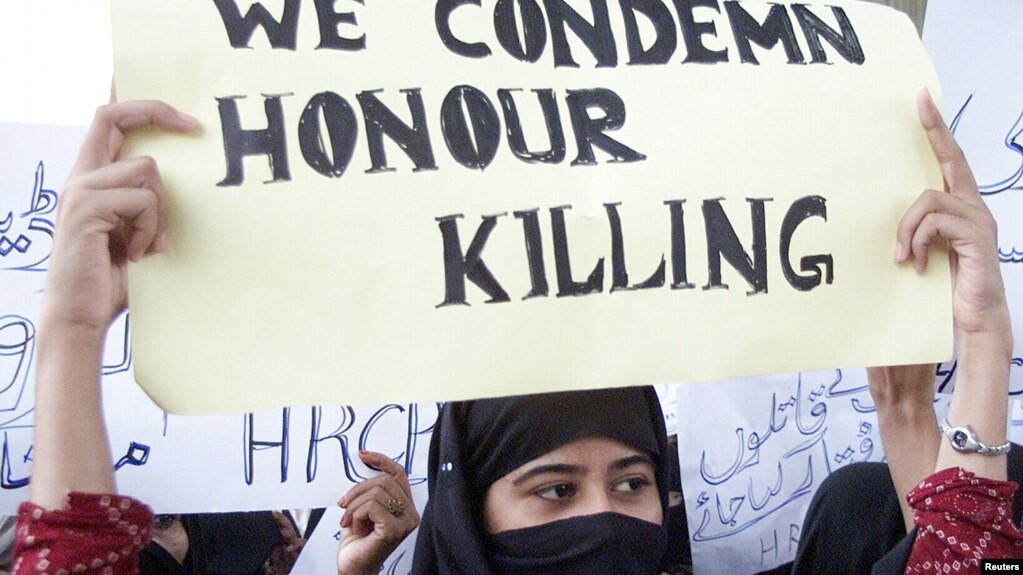
The video is hard to watch. A young couple stands together knowing the choice they made to marry for love, over tribal and family approval, may cost them their lives. Minutes later, they are dead. In Pakistan, this is what an “honor killing” looks like. A part of a culture that has survived years and years of laws, outrage, and international condemnation. For many women, and for some men, it is a daily reality.
Pakistan is usually described as a deeply patriarchal society, and in many ways, that description falls short. Patriarchy here is not just cultural; it is institutional, social, and also violently enforced. Men dominate decision-making in homes, communities, courts, and politics. Women may have legal rights on paper, but in practice, those rights are a lot of times restricted or outright denied by their own male relatives.
The killing of a young couple in Balochistan for marrying without tribal approval exposes the relationship between tradition, power, and violence. Their deaths were reportedly sanctioned by a Jirga, an informal tribal council that operates outside Pakistan’s legal constitutional system. Their idea sees women’s autonomy as an offense punishable by death. Hundreds of women and some men are killed every year under similar justifications: marrying by choice or even leaving abusive relationships. What makes these crimes particularly chilling is how normalized they have become.
The discussion with the three experts left them speaking openly about how emotional it is to watch such violence circulate online. Honor killings, known locally as Karo-Kari, are often explained as “culture,” even though they have no basis in Pakistan’s constitution or criminal law. The Jirga itself is not legal. Yet in rural and tribal areas, its authority most often overpowers that of the state.
Legally, Pakistan has laws on protection for women, with special courts and police units created to handle gender-based violence. But the enforcement of these laws rarely happens; rather, there is a legal loophole that allows families to “forgive” perpetrators, and this makes escape from punishment a routine.
Culture plays the major role in sustaining this violence, especially in deep tribal regions where power is concentrated in the hands of elders and land-owning elites.
One of the experts is clear on one point: honor killings are not driven by poverty. Many perpetrators come from wealthy, influential families. This is about a mindset that equates female autonomy with male shame and obedience with virtue. From childhood, boys are taught entitlement, while girls are taught restraint. By the time violence occurs, it is already socially rehearsed, and silence feels safer than resistance.
Beyond killings, there’s also something called “gender terrorism”, which is the everyday harassment, restrictions, and surveillance that women face in their lives. Whether in workplaces or in public transport, women are forced to constantly calculate risk.
This poses an important question. Is real change from this culture possible?
According to the experts, real change can be culturally sensitive, but rights must be prioritized. Traditional justice systems like Jirgas must either be reformed to include women or entirely stripped of influence.
Honor killings are not cultural habits. They are human rights violations that must be changed with sustained pressure, education, and the tearing down of patriarchal power at every level.
Watch the full conversation on Green Growth TV and discover how experts discuss patriarchy, honor killings, and gender terrorism.
Written by Glory Akenu, Communications Associate.

