Worldwide Teach-In on Climate and Justice Event 2023
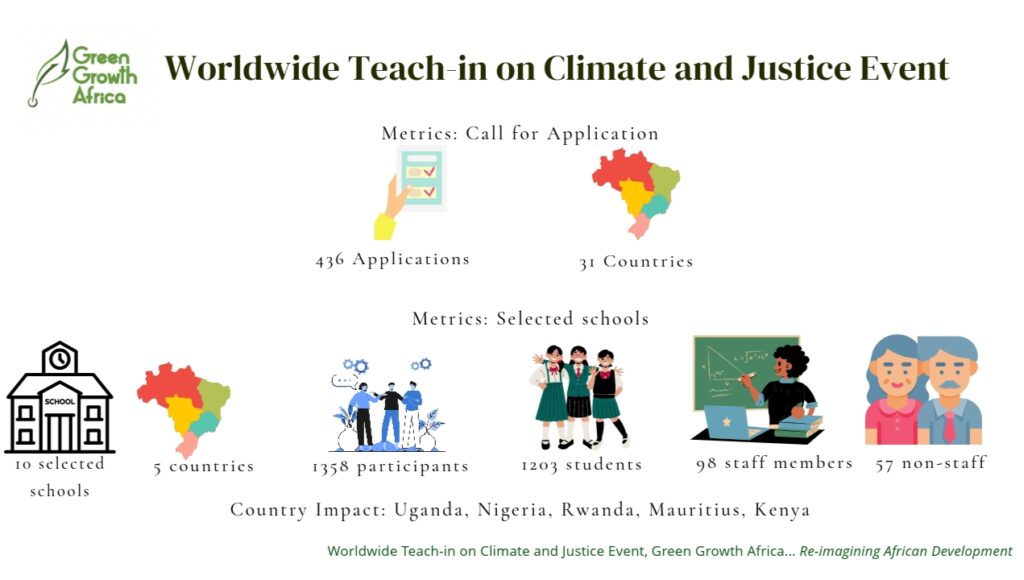
The Green Growth Africa’s 2023 climate event received over 400 applications from 31 African countries, thus indicating a strong interest of Africans in the fight against global warming and other climate related problems.
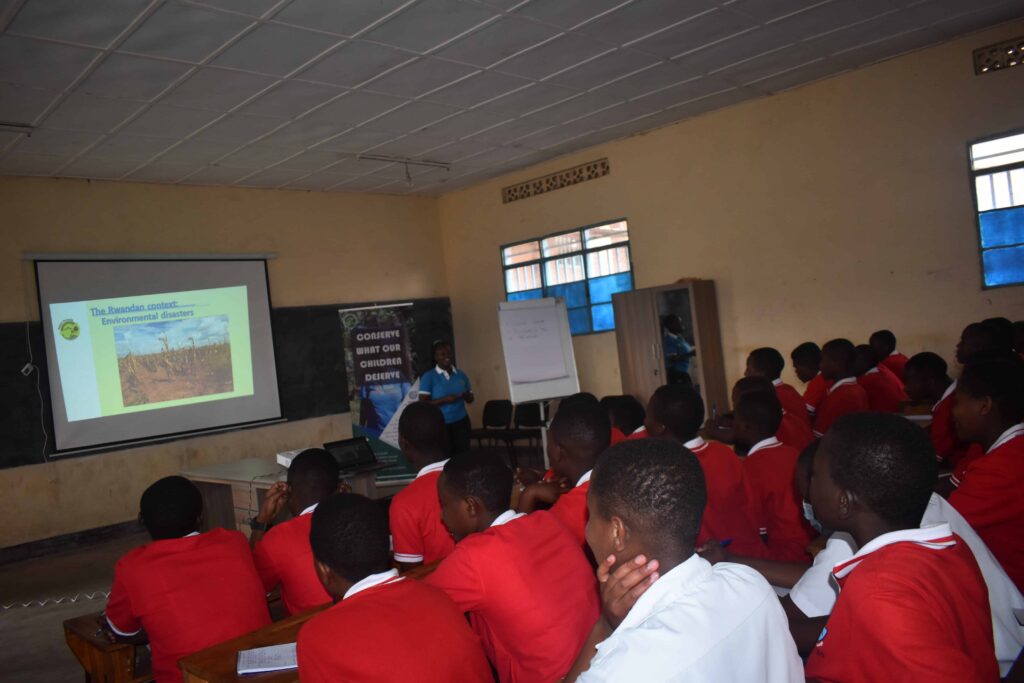
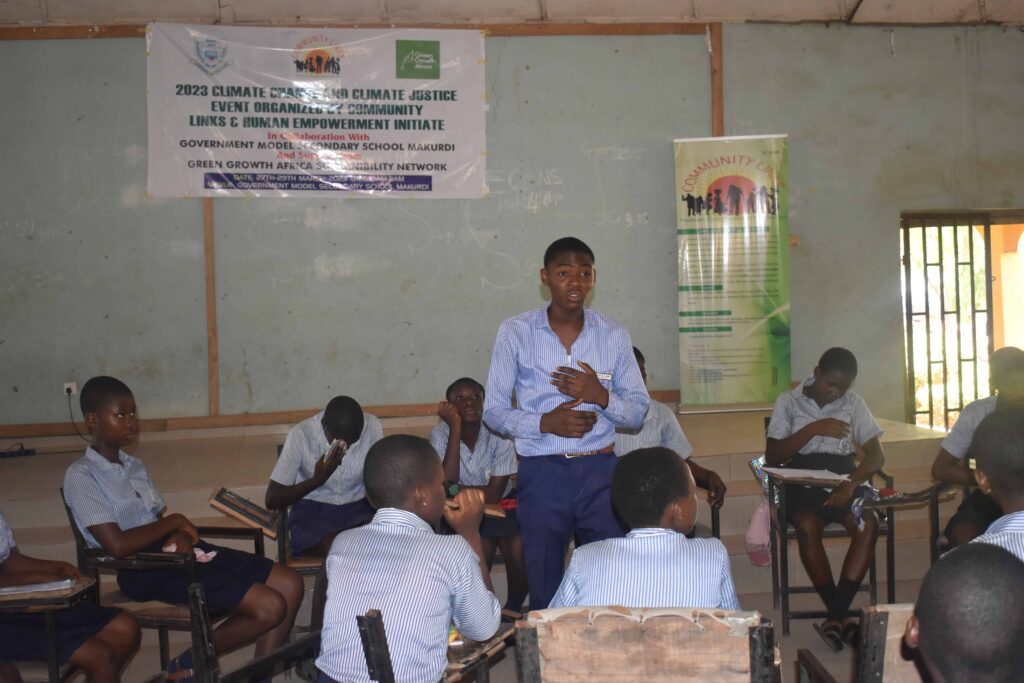
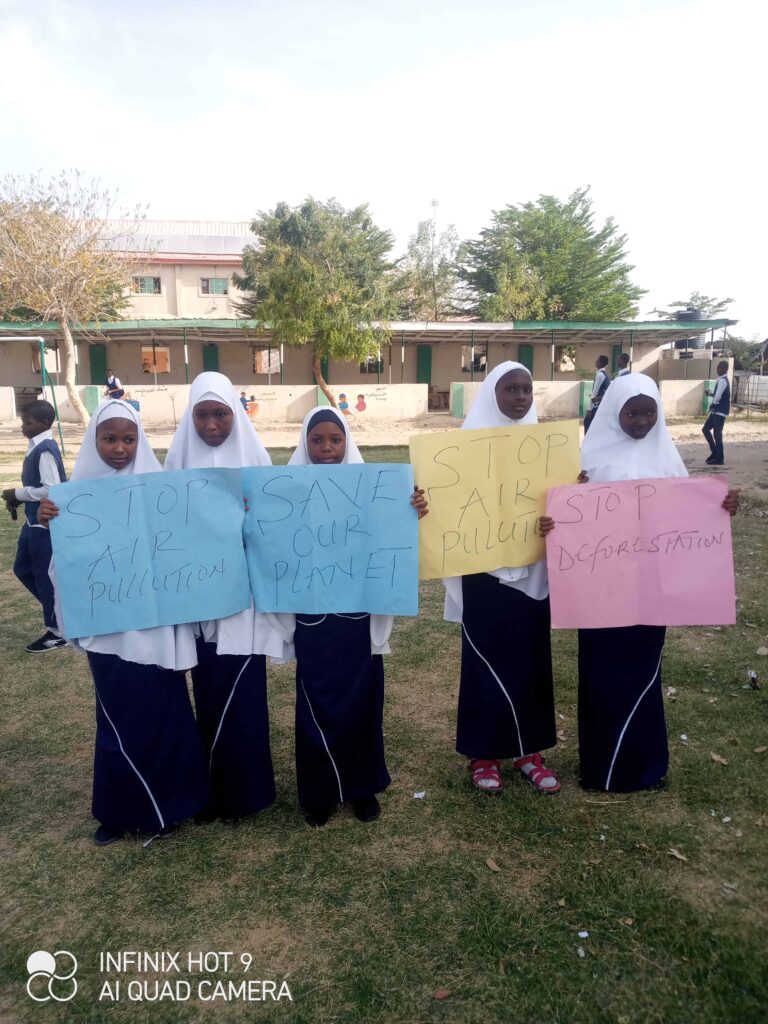
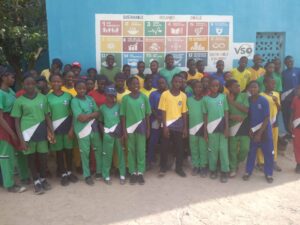
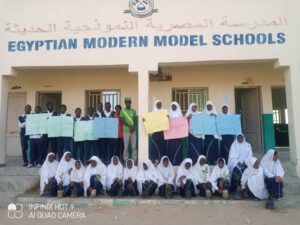
With over 1358 participants, the climate event employed a co-creation approach which enshrines the active participation of the students in the entire event. Thus, the climate event is an educational forum that creates solutions-oriented discussion about climate change and climate justice among participants. In line with the above, each schools raised discussions on climate change problems and just solutions topic.
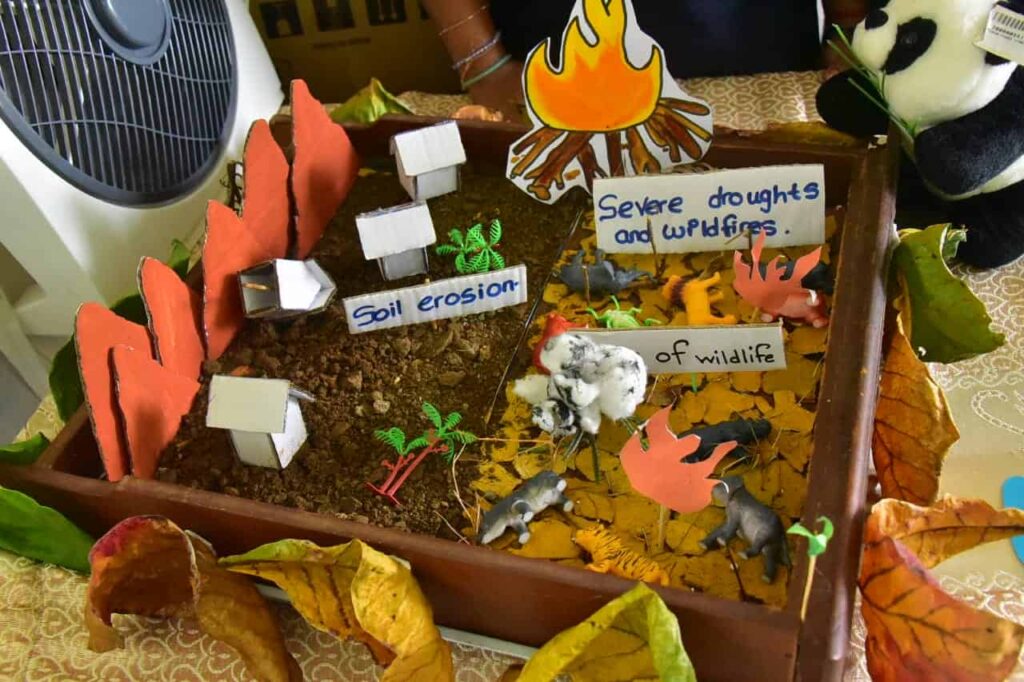
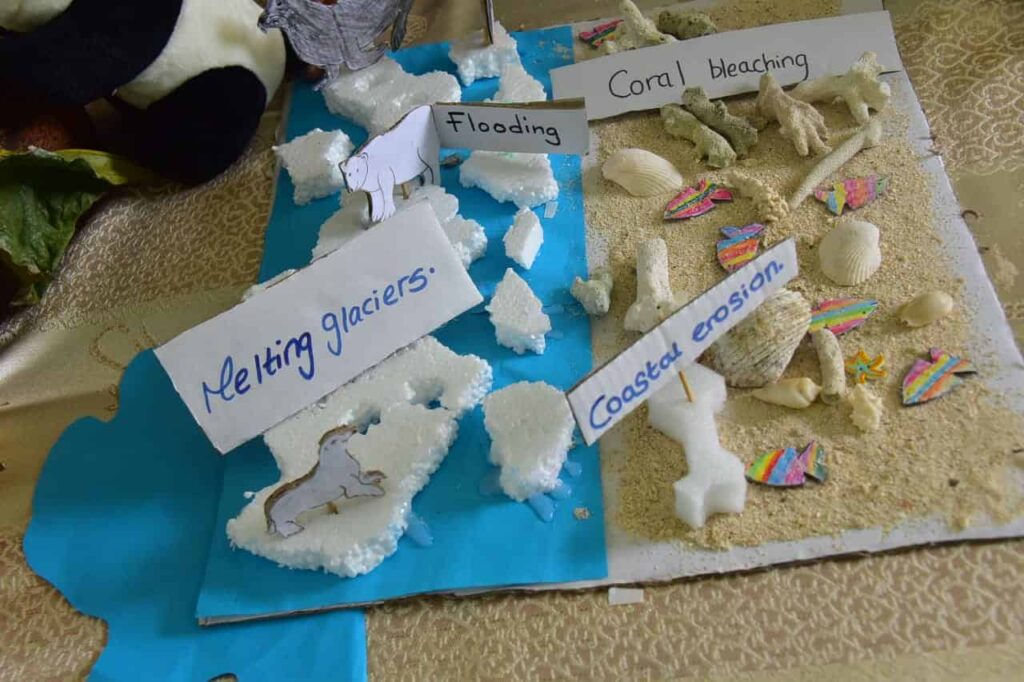
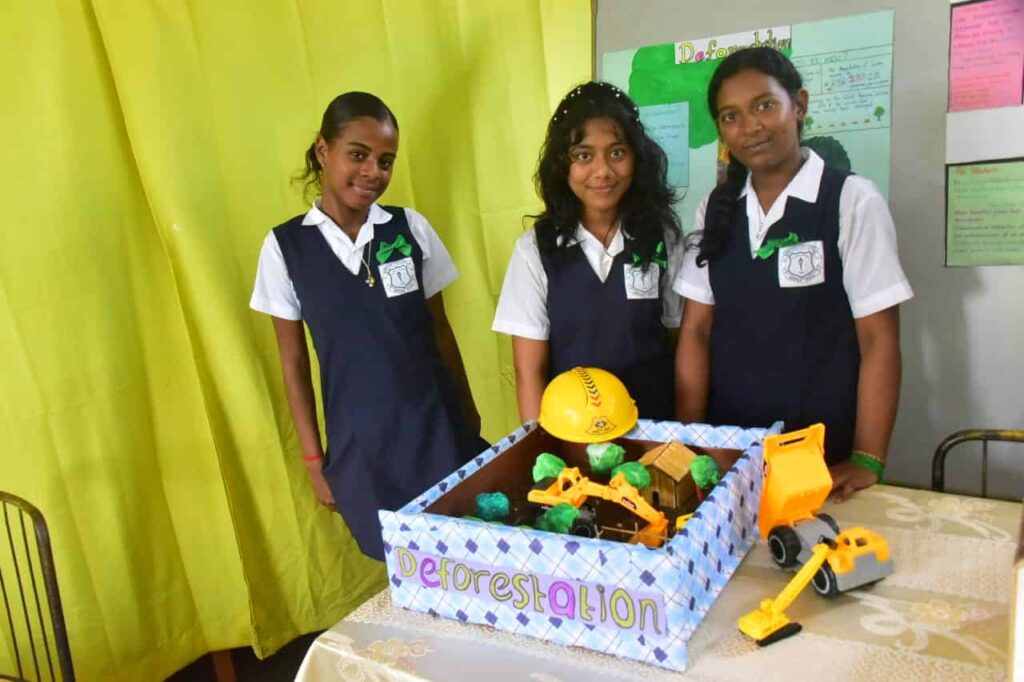
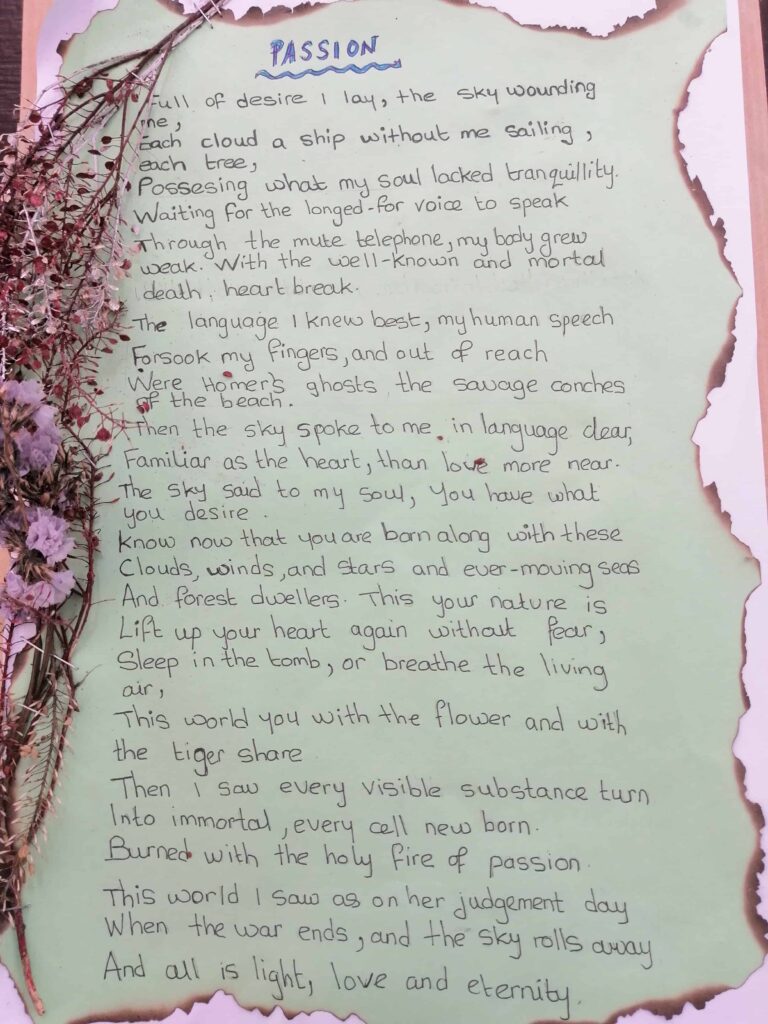
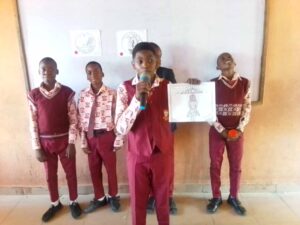
The core activities that made up the event includes breakout sessions, panel discussions, intergroup debates, quizzes, art presentation (such as poems, cultural dance presentation, drama, creative artistry, recycling and innovation, sanitation amongst others) depending on the creativity of the students.
During the climate event, each school had at least three (3) breakout sessions.
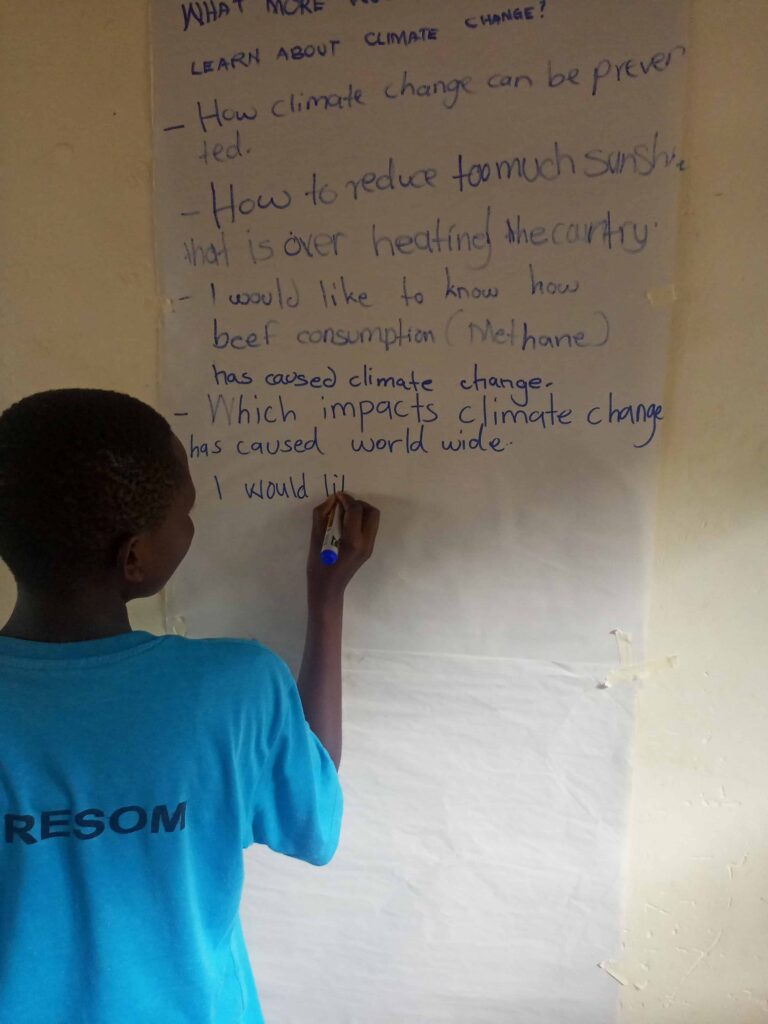
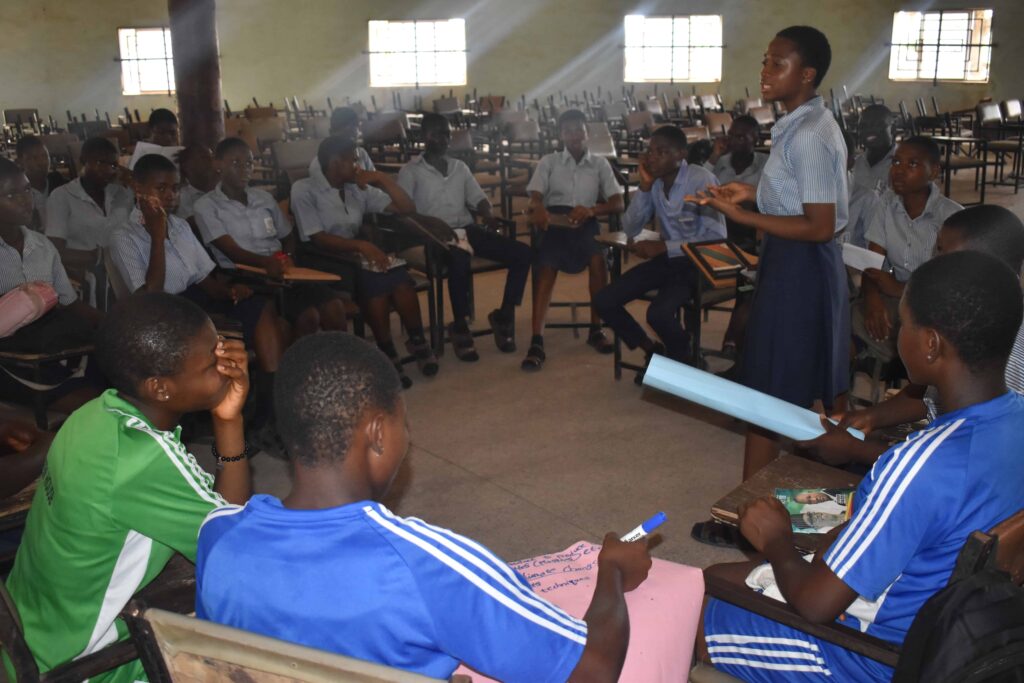
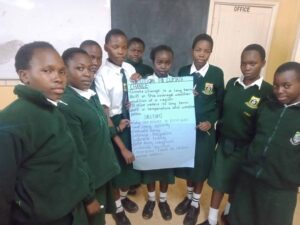
In the first break out session, the students were eager to talk about what comes to mind when they hear the words “climate change?”, and other things they wanted to know about the concept.
Some of the students’ responses include:
Climate change is when the weather in the atmosphere changes and I would want to know some of the factors responsible for climate change. – (Mercy Moses Ugbedeojo – Student, African Child College, Nigeria)
Climate change describes change in the average condition such as temperature and rainfall in a region over a long period of time. I will like to know why and how climate change happens. – (Praise Festus – Student, African Child College, Nigeria)
Climate change is the change of weather or temperature. I will like to know how change cause pollution in the environment. – (John Oseoghene – Student, African Child College, Nigeria)
Climate change refers to the long term shift in temperature and weather pattern in a particular place. What I would like to know about climate change is the m climate eaning of Global Warming. – (Ibega Chigozirim – Student, African Child College, Nigeria)
Climate change is when the weather changes from the sun to rain and from rain to sun etc. What will happen when climate changes to another how will it help us as human beings? – (Daniella Olawumi Oluwakemi – African Child College)
Going forward, in the second breakout session, the students had at least 2 set of group discussions around some of the just solutions topics, including but limited to the following:
- Solar Power
- Reducing Food Waste
- Just Transition: Frontline Communities
- Just Transition: Who gets Green Jobs and Green Tech?
- Local actions – what is happening in your community and how can students be involved
- Regenerative Agriculture
- Urban Agriculture
- Story-Telling and Climate Communication
- Circular Economy Business Models
- Circular Economy Consumption: Reduce, Re-Use, Recycle
- Protecting Forests
- Artists, Film-Makers and Climate Change
- Religion and Climate Change
- Electric Cars and Trucks
- How Batteries Help Solve Climate Change
- Farming the Ocean
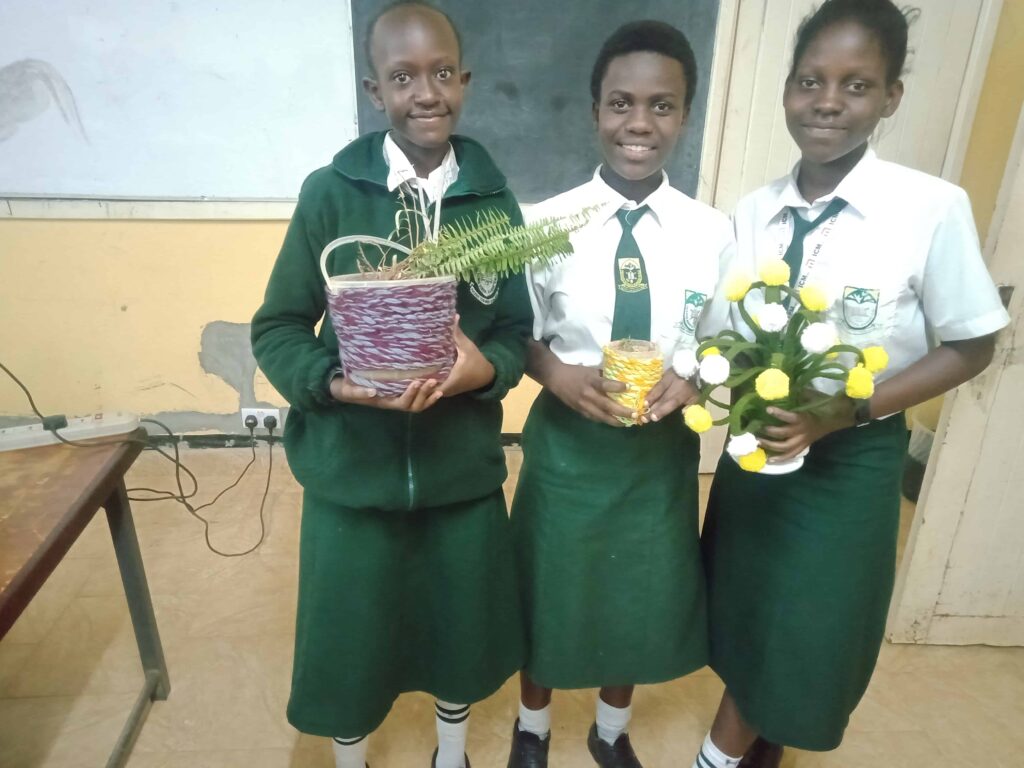
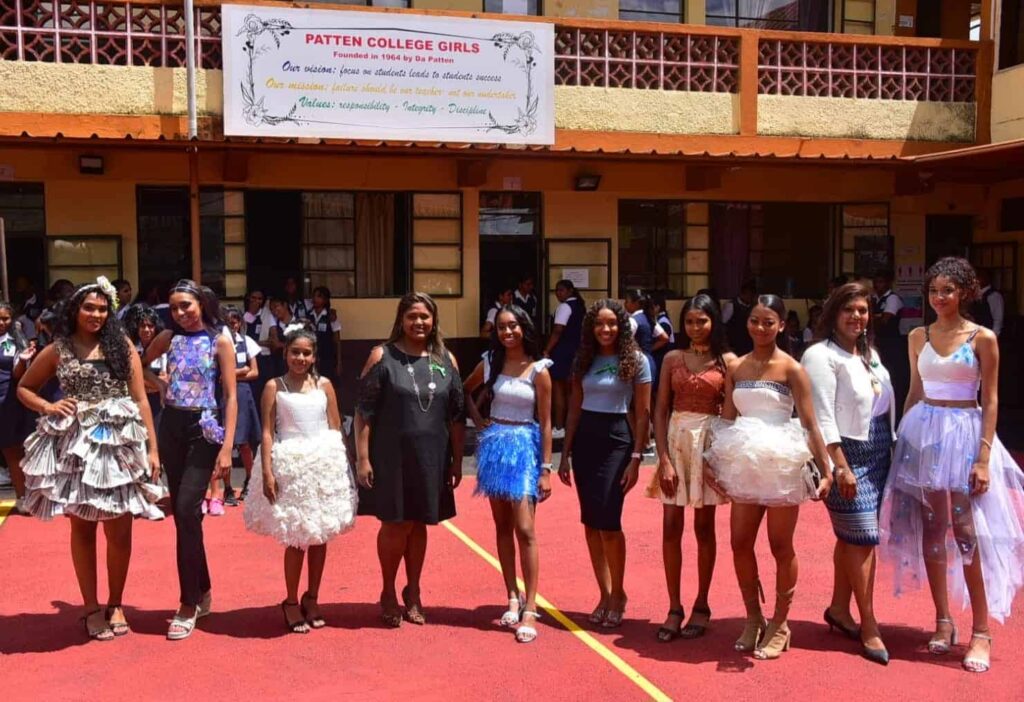
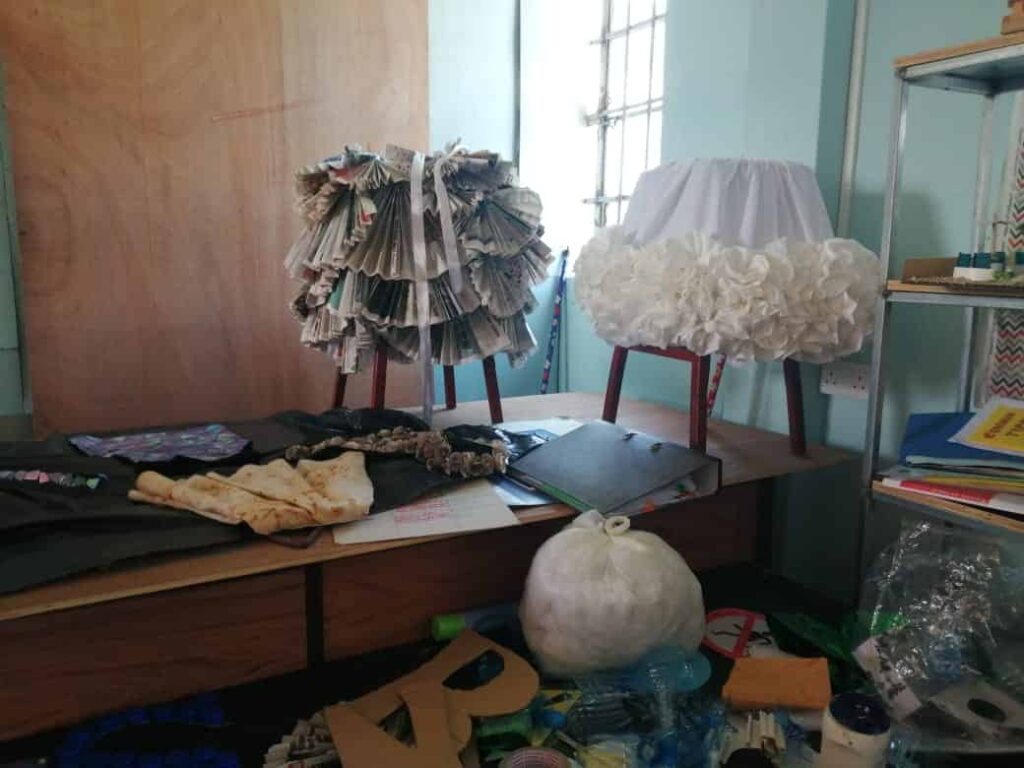
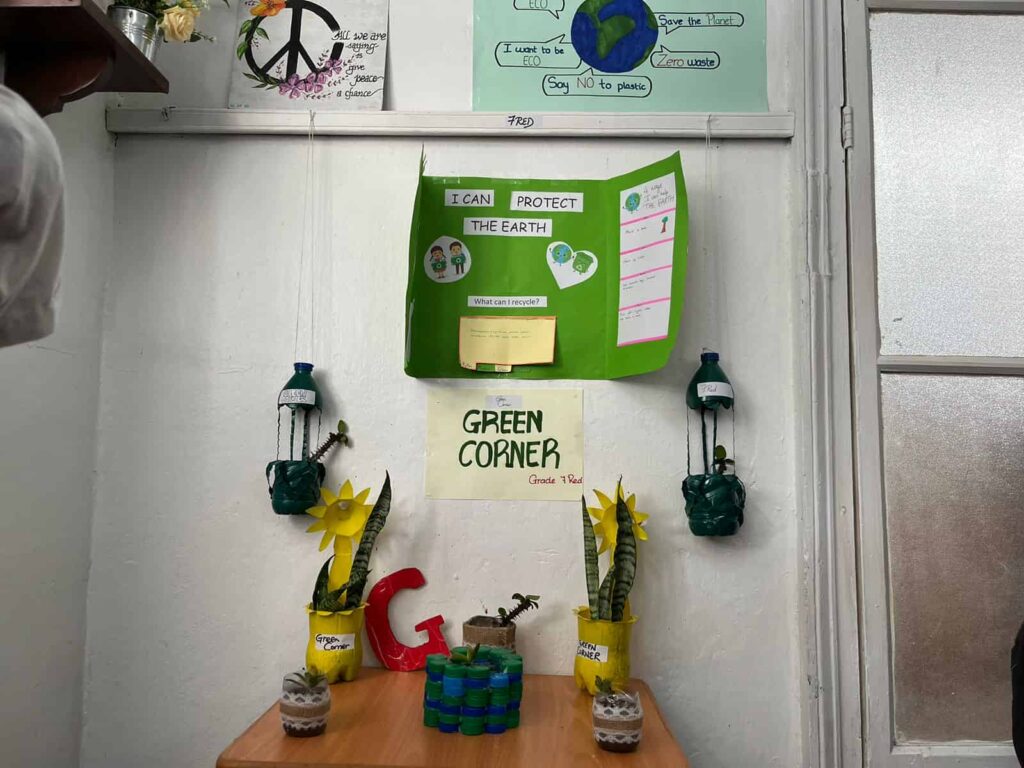
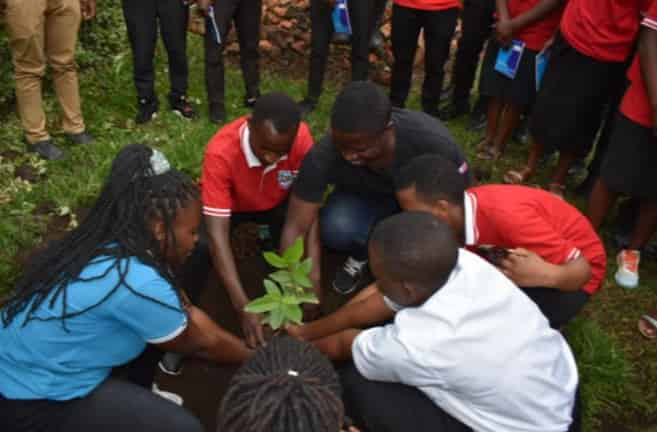
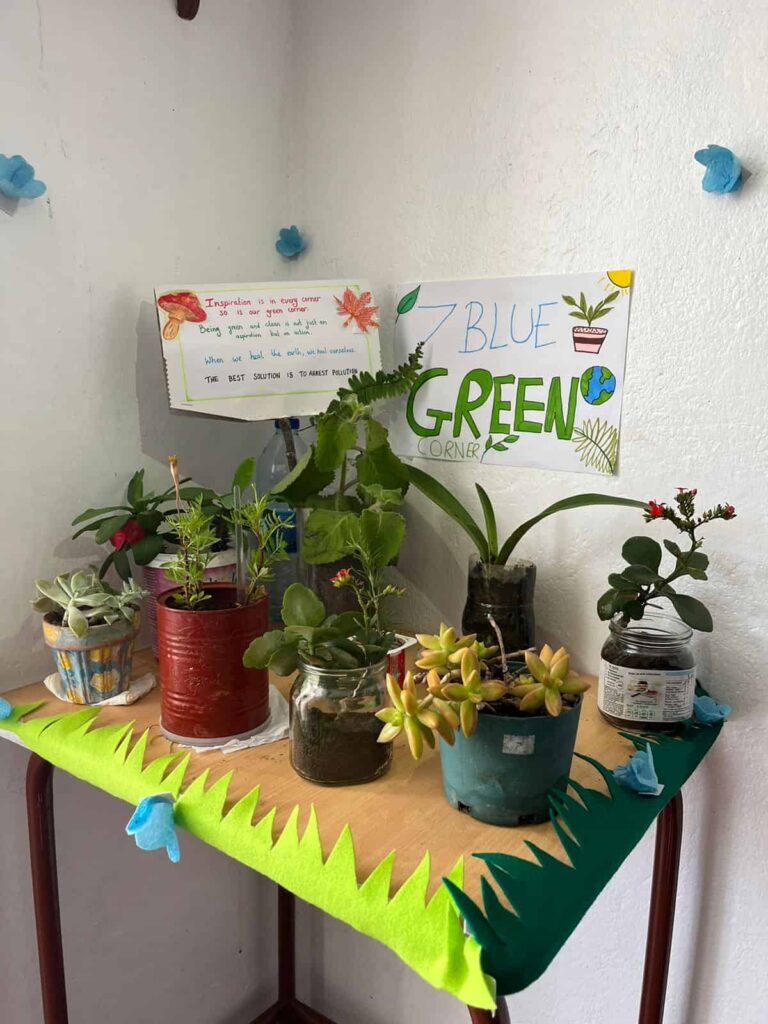
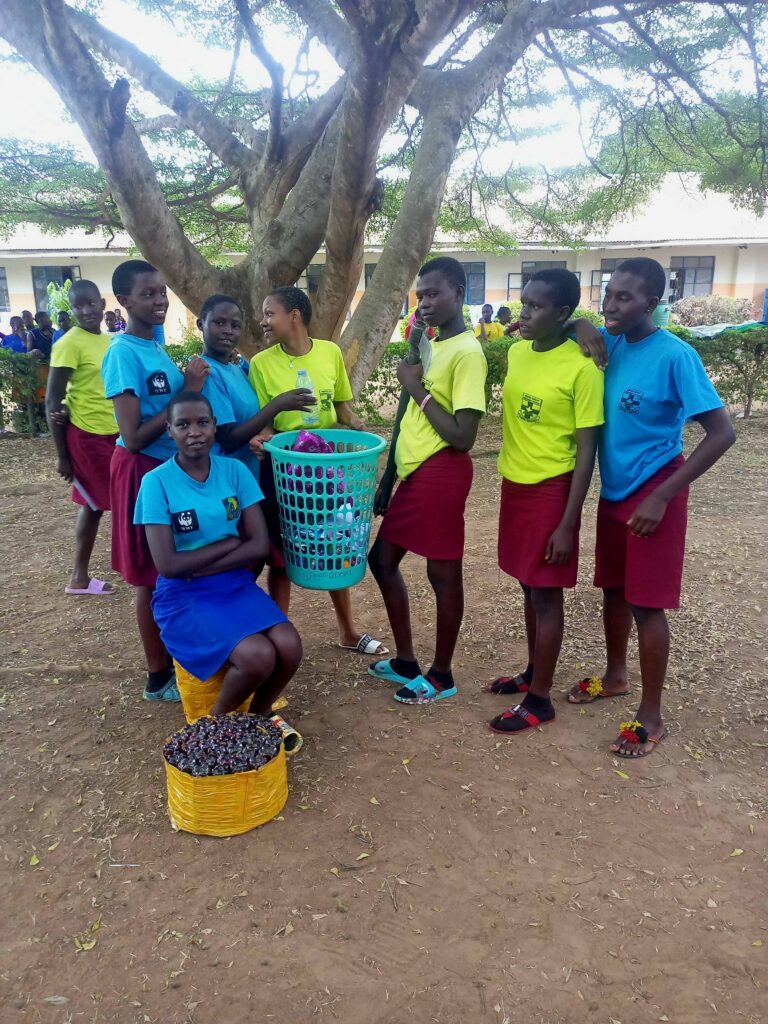
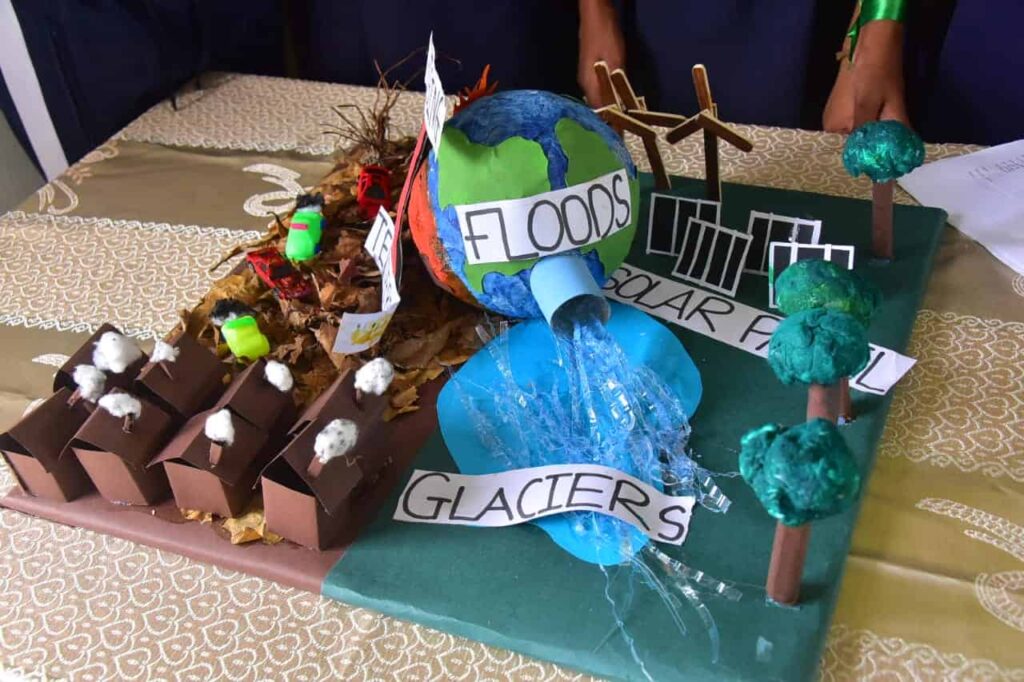
Reacting to some just solutions that could be implemented, the students recycled some waste materials like plastic bottles, pieces of papers amongst others, and converted these waste materials into reusable articles like clothing, decorating pots for both home and office use. Some other students focused on tree planting in an attempt to promote afforestation in their schools, and local community, whilst a host of others engaged in community sanitation.
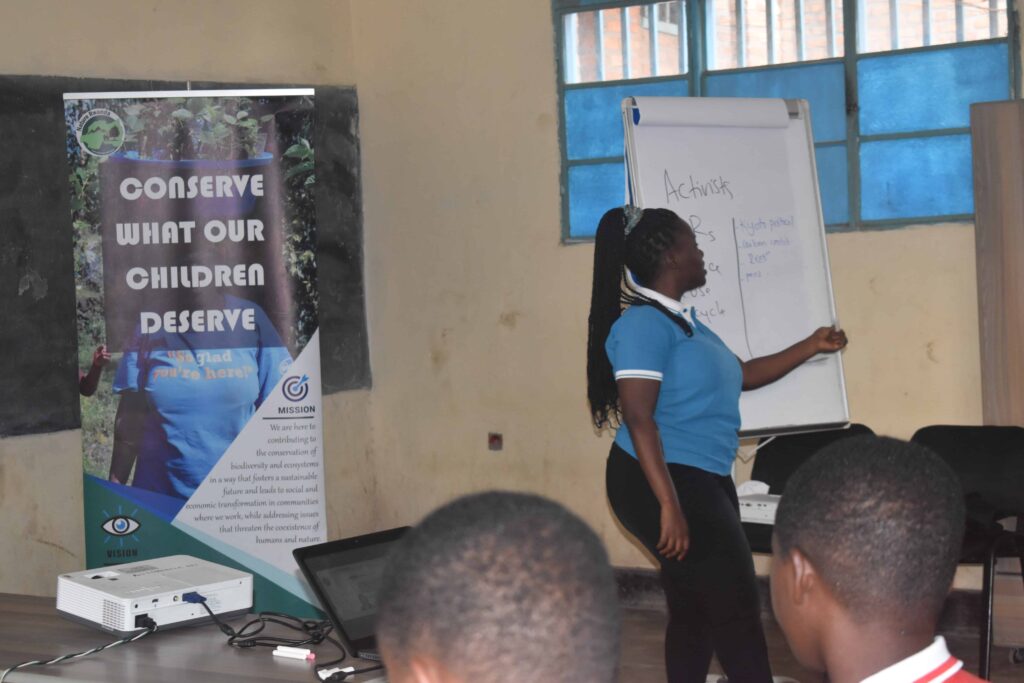
In the third breakout session, the students had group discussions on careers and action to solve global warming. Particularly, they discussed on the very many things they had learned from the climate event as well as identified possible ways that they could solve global warming and climate change in their communities.
Encouraging evidence on education being a cost-effective climate intervention can be seen in the student’s artistry and creative presentation. Notably, the students in different secondary schools made wonderful poems, paintings and drawings of the perceived challenges faced in different parts of the world, as well as possible ways that these challenges can be mitigated.
The impacts of the climate event indicates the depths in which education can help inculcate an eco-friendly attitude and culture in both the students and teachers, and this eco-friendly attitude often has a ripple effect on the entire community. It is no doubt that what started off as different individual attempts to care for the environment and solve climate change problems now has a rather collective reach.
“The continued sensitization of the students has developed appositive attitude in them towards environmental conservation to the extent that some earlier on thought they would plant trees for their own benefit but the club sensitization activities have positively changed this attitude to the extent that students are willing to plant more trees in the school compound and in their communities for the good of the environment and future generation since they have known the value of trees in the environment. The students have developed courage and moral of moving out to the community to carry out sensitization programmes because the club has exposed them to the wealth of the information on human impacts on the environment and effects of climate change. The students are able to sort waste materials at school level according to the dustbins provided for biodegradable wastes that are poured into the compost pits and later after decomposition they are taken to the school gardens where they normally grow their vegetables, while non-biodegradable materials like plastic bottles are being reused for making seats.” – (Apusan Richard – Teacher, Ngora Girls High School, Uganda).
Education’s contribution to the fight against climate change and global warming cannot be overemphasized. It is always important that we bring the younger generation into the limelight of climate change discussions, giving them the opportunity to do their bits in support of a greater global goal. We need to start from where we are now to make climate change discussion an everyday conversation with young people – and Green Growth Africa is manifesting that already. Join the campaign, think climate change education!