
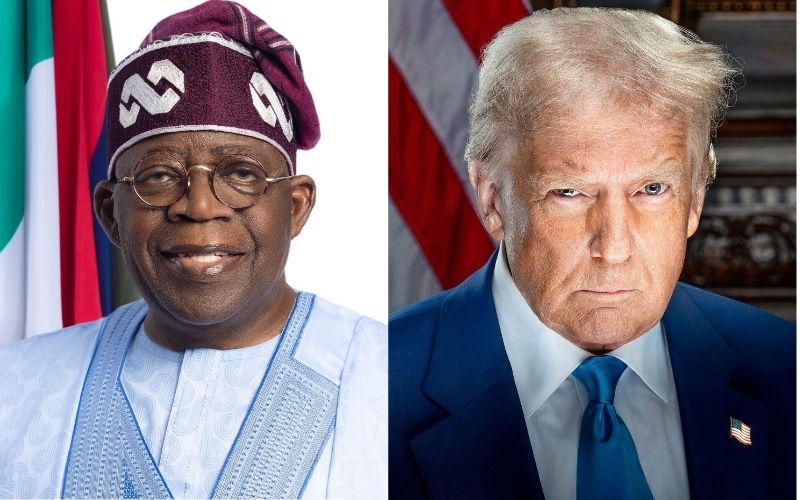
Within the same period, Nigeria approved a $9 million lobbying contract in the United States, for the supposed aim of boosting the country’s image abroad, while families in vulnerable parts of the country were still negotiating ransoms for relatives taken from their homes, farms, roadsides, and other locations. These incidents have been happening for years and years. Still, due to the inadequacy and nonchalance of the Nigerian government towards tackling the issue, it has been consistently reported locally and internationally, which has caused repeated documentation of mass abductions and attacks across Nigeria.
Remember recently, the United States President, Donald Trump, threatened to intervene in Nigeria due to a consistency in the attacks on Christians in Nigeria, tagging the country as one of “particular concern”. Due to this, the U.S President went further by launching airstrikes in two terrorist locations in Sokoto state around December.
The reports have been so globally evident that the Global Terrorism Index continues to rank Nigeria among the countries most affected by terrorism. These are not claims made by critics abroad; they are adequately backed by data.
The government says the lobbying is meant to explain Nigeria’s efforts on security and religious freedom to U.S. lawmakers and prevent possible sanctions. But the question many Nigerians are asking is: why does the government deem it fit to pay so much amount of money to boost its image, when in reality its citizens still suffer; insecurity is still a daily battle; and the fear of going out and fervently praying that “Nigeria doesn’t happen to you” is now a religion. It’s an attestation to the clear disconnection between the government and the people.
Opposition parties and civil society groups have openly criticized the lobbying deal, explaining that the money could be used for more reasonable things in the country, to strengthen security response, support displaced communities, or even improve basic services and life of the citizens. But in contrast, Nigeria is trying to explain away what is already well known, what has already been reported several times with statistical backing. So why spend millions of dollars trying to cover an image that is already dented without intentionally fixing that image first?
Nigeria lacks results that people can feel because of a government so disconnected from the people and what they really want. When lives improve, insecurity and terrorism are no longer the order of the day, and global perception follows naturally. Until then, lobbying looks less like a strategy to curb or phase out an existing issue but more like avoidance, and Nigerians, who live with the consequences every day, are right to question it.
Published by: Ngozidinachi Winner, Communication Associate.

