
On Green Growth TV, environmental advocate Lossie Konneh explains how weak governance is, and how corruption and exploitation are driving environmental destruction, human rights abuses, and growing insecurity across Sierra Leone.
Sierra Leone is rich, maybe not in the way poverty statistics suggest, but rich in diamonds, beautiful forests, and wildlife that should be protected, not trafficked. But for many communities living closest to these resources, wealth feels so far away; instead, they face polluted rivers, unsafe land, broken livelihoods, and systems that rarely work in their favor. In this episode of On Rights Crime and Justice, the conversation with Lossie Konneh, Executive Director and Founder of the Young Africans Community Empowerment Initiative, explains how this contradiction came to be, and why Sierra Leone’s environmental crisis is as much about power, rights, and governance as it is about nature itself.
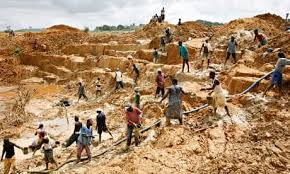
What was once meant to empower local communities through artisanal mining has slowly turned into something more destructive than beneficial. Large-scale mining operations, mostly driven by foreign interests, now dominate large areas of land, leaving little room for residents to benefit. The land is mined, and profit is always gotten, but restoration of the land is hardly ever a priority, and as a result, rural communities are displaced, social structures are altered, and the livelihoods of the people are cut short.
Lossie explains that Sierra Leone has strong mining laws on paper, but like many African nations, the enforcement is painfully weak. The laws exist, but they are so unfamiliar that people don’t even know what rights the law affords them, making it easy for companies to operate without accountability.
Licenses are issued with little regard for environmental impact, often under the promise of jobs that never truly materialize. For many young people, the consequences leave them with limited opportunities. Youths migrate toward mining hubs in search of work, only to find themselves trapped in exploitative conditions. Some are forced into labor far beyond what is safe or legal for their age. This hidden reality of modern slavery in the mining sector adds another impact to an already fragile environmental situation.
Environmental protection agencies are meant to be the safeguard, but according to Lossie, they too face their own limitations. Offices of companies and government officials are situated in urban areas, far from the communities most affected by mining activities, while the locals are left without the tools to question contracts. The result is a system that shows the abuse of power and normalized environmental damage that easily goes unquestioned.
Again, Lossie goes further to explain the state of Sierra Leone’s wildlife. He says that the country’s wildlife is at risk because endangered species are illegally traded, often to East Asia. Even with new laws, many communities are unaware, and families focused on survival may see conservation as less important than meeting their immediate needs.
The problem grows worse in Sierra Leone with deforestation, illegal mining, and unsafe housing on slopes that have caused deadly landslides. Lossie warns that without careful urban planning and development in safer areas, more disasters will continue to happen.
Watch the full conversation on Green Growth TV to hear Lossie Konneh unpack Sierra Leone’s environmental and human rights crisis, and the changes needed to turn natural wealth into shared prosperity.
Written by Glory Akenu, Communications Associate.

