
On Green Growth TV, sustainability experts Navin Malhotra and Gertrude Tala break down why COP 30 delivered progress, controversy, and disappointment all at once, and what the future truly holds for vulnerable countries like those across Africa.
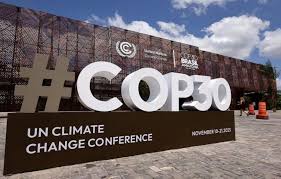
Flames, protests, and promises; COP 30 had it all. What was supposed to be a landmark climate conference in Brazil turned into chaos at some point: Indigenous protesters stormed the venue, a fire that forced evacuation, and the world watched as high expectations clashed with politics. In this episode, host Toni Ogunbanjo sits with experts, Navin Malhotra and Gertrude Tala, to discuss what really happened at COP 30, and why many were left feeling both hopeful and frustrated.
COP 30 arrived with high expectations. Delegates from across the globe invested time, resources, and hope into what many considered a key moment that would define climate action over the next decade. Yet, the reality was clearly different. Indigenous protesters stormed the venue to voice frustration, claiming to have been sidelined and denied their social rights, despite being called an “Indigenous COP”, not to mention a fire outbreak which forced evacuations, metaphorically pointing out the chaotic nature, or turn of events.
Gertrude recalls the early days of COP 30 with a mix of frustration and understanding. Many African negotiators arrived later than planned, which meant some discussions began without full regional representation. The early sessions, according to her, felt slow and a little flat, hardly the energetic start that delegates had hoped for after a long period of preparation.
From India, Navin highlights one of the conference’s major achievements: the formalization of $1.3 trillion in annual climate finance by 2035 to support developing countries, but according to him, this milestone came with a catch and the conference offered no clear plan for addressing the elephant in the room; phasing out fossil fuels, which revealed how deeply disagreements persist among the world’s largest emitters.
Despite these shortcomings, Navin explains that the finance goal discussed during the conference carries particular significance for Africa, historically receiving less than a third of global climate finance for adaptation. However, he cautions that these commitments alone will not protect vulnerable communities; funding for loss and damage, capacity building, and technology transfer must reach grassroots levels to drive meaningful change.
Reflecting on the conference’s overall effectiveness, Navin describes it as practical in some ways while being symbolic in others, as COP 30 not only set up the foundational rules for climate finance but also created practical tools and partnerships to help countries follow through on their climate promises.
Taken together, both experts offered a verdict: COP 30 represents partial success. Finance commitments and social justice mechanisms signal progress, but the absence of a fossil fuel phase-out, a fundamental part of climate mitigation, remains a major shortcoming. In the end, the ultimate test will be translating all the frameworks into tangible emissions reduction and real-world benefits for vulnerable communities.
While COP 30 may not have delivered the breakthrough many hoped for, it established groundwork for future action. The various frameworks offer tools for change, but only if countries, policymakers, global citizens, and the international community can commit to turning them into reality.
Watch the full conversation on Green Growth TV to explore COP 30’s outcomes, successes, and the urgent actions still required for a sustainable future.

