
On Green Growth TV, experts Adetula Victory Osiele and Fahad Harazumi discuss the risks of fossil fuel reliance, the importance of safety systems, and the need to build a safer, renewable energy future.
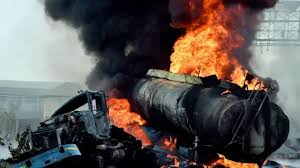
Sometimes it takes a disaster to make us see what’s been wrong all along. In this episode of Policy on the Go, Toni Ogunbanjo sits with Adetula Victory Osiele, Health, Safety, and Environmental expert, and Fahad Harazumi, Lead Green Energy Hub, to break down the causes of fuel-related disasters using a Jigawa tanker explosion as a reference point to explain the resulting impacts, and what Nigeria can do differently moving forward.
Fahad explains that infrastructure is often the weakest link. Damaged roads, combined with vehicles carrying more than they should, turn everyday fuel transport into a dangerous activity. When accidents occur, emergency services are often too far away or under-equipped to respond quickly, making the damage far worse. Adetula adds that when safety measures only kick in after accidents occur, it doesn’t just put lives at risk; it also pollutes the environment, harms community health, and leaves long-term problems that rarely get addressed. According to them, alternatives like pipelines or rail systems could prevent these disasters before they happen.
The reality of economic hardship drives risky behavior around fuel. Many people risk their lives around fuel spills, collecting for personal use or resale. While the government sometimes provides aid, the experts say that long-term solutions like job creation, vocational training, and public education are essential to reduce desperation and prevent future accidents. When communities are supported economically and are properly educated about the risks, they are far less likely to take dangerous chances.
Environmental risks cannot be ignored, and professional cleanup of soil, water, and air, together with health monitoring for affected communities, is essential. Without proper remediation, exposure to toxic substances can lead to health issues. So, safety and sustainability must go hand in hand.
This naturally leads to the bigger picture: Nigeria’s energy future. Continued dependence on fossil fuels keeps these risks alive, while renewable alternatives like Compressed Natural Gas (CNG) and electric vehicles could make energy use safer.
Fahad shares that Nigeria’s reliance on oil revenue complicates the shift, but diversifying into agriculture, commerce, and manufacturing will drive real change and enable the country to safely move toward a cleaner, more resilient energy system to avoid extra fuel-related risks.
Both experts agree that tragedies are preventable when communities, governments, and systems work together, improving infrastructure, supporting livelihoods, and embracing renewable energy to secure a safer, sustainable energy future.
Watch the full conversation on Green Growth TV and discover how experts break down Nigeria’s fuel safety challenges and the sustainable path forward.

