
Opeyemi Oriniowo and Bolu Aiyepola unpack Nigeria’s circular economy journey, highlighting opportunities, challenges, and innovations shaping sustainable development on Green Growth TV.
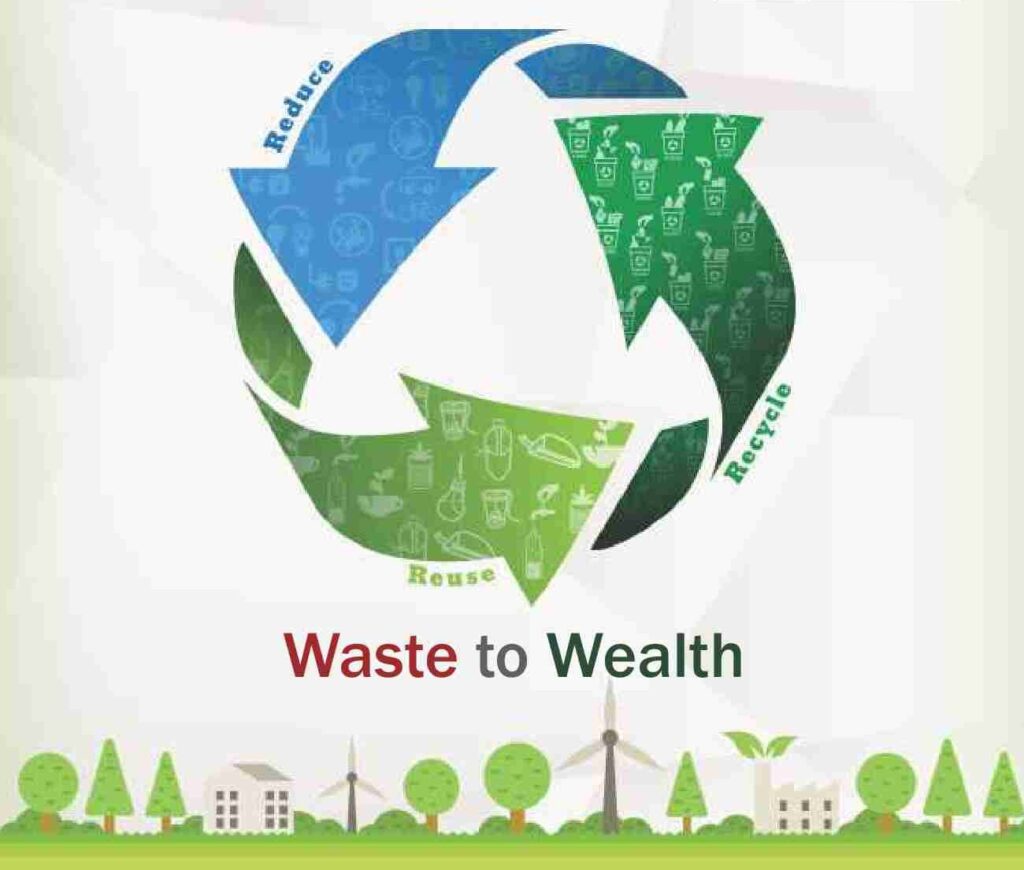
Nigeria is waking up to a new way of thinking about its resources. For too long, it has followed the simple “take, make, dispose” approach. It’s easy, it’s familiar, but it’s running out of room to work. Now, a circular economy is starting to take root. Instead of throwing things away, the idea is to reuse, rethink, and make every bit count. In this episode on Green Growth TV, the Circular Economy Innovation Partnership (CEIP) team talks about what’s happening on the ground, what’s working, and what still needs fixing. They also show why this shift matters, not just for the environment, but for jobs, businesses, and the everyday lives of Nigerians.
Bolu explains that a circular economy isn’t just about recycling. It’s about designing systems where growth doesn’t cost the earth. Opeyemi adds that Nigeria can’t keep running on the old linear model anymore. Resources are limited, waste keeps piling up, and the old habits won’t cut it. But here’s the exciting part: The Circular economy also opens doors. It creates green jobs, sparks social enterprises, and gives new industries a chance to thrive, all while protecting communities and the environment.
Progress is happening, surely, and with help from the Dutch government, African Development Bank, and European Union, Nigeria launched its Circular Economy Roadmap in 2023. The roadmap points to areas like e-waste, plastics recycling, and waste-to-energy projects. But Bolu and Opeyemi are quick to caution: a roadmap alone isn’t enough. Constantly having Plans on paper won’t change behavior. Policies have to be enforced; businesses need incentives; and people need to see that this shift makes life better, not just more complicated.
There are challenges, of course. Value chains aren’t complete. Financing for big projects can be scarce. Recycling alone isn’t the silver bullet – it helps, but the bigger picture is consumption, production, and how everything fits together.
Still, there are sparks of ingenuity everywhere, with initiatives towards solving waste problems. Some are turning cassava peels into animal feed, cutting import costs and closing agricultural loops. Some are building $10 million aerosol recycling plants with Dutch partners. And in Lagos, thousands of tons of waste are now powering electricity for thousands of homes. The creativity is there, the determination is there, but what’s missing is more support to scale it all.
Looking ahead, collaboration is everything. Bolu says that government, businesses, civil society, and everyday citizens all have to work together. When they pull together, Nigeria can skip some of the mistakes other countries made and get circular solutions to work faster. With smart policies, strategic investments, and the right partnerships, Nigeria could tap into global green finance, open new markets, and create a system where waste isn’t a problem, but an opportunity.
Watch the full episode on Green Growth TV to see how Nigeria’s circular economy could turn waste challenges into real opportunities for growth.

