The textile industry is one of the most polluting industries in the world, with fashion being a significant contributor to the problem. The constant demand for new clothes has led to a culture of disposability, resulting in massive amounts of waste and pollution. Being a significant contributor to environmental degradation, it accounts for 10% of global greenhouse gas emissions, 5% of landfill waste, and 35% of oceanic microplastic pollution. The widespread use of non-biodegradable materials like acrylic, nylon, polyester, fleece, and rayon in fabric production poses a substantial threat to the environment, as these materials do not decompose and can contaminate air, water, and soil.
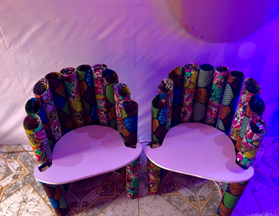
In Nigeria, the fashion industry and households often resort to open-air burning of fabric waste, exacerbating the problem. A group of students from Just Once Model College, Akure, has taken a stand against this unsustainable trend. The Pabric project is a revolutionary initiative that upcycles fabric waste into functional seating furniture, promoting sustainable fashion and reducing non-biodegradeable waste.
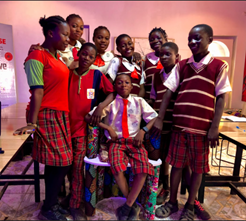
The project began with a simple yet powerful idea: to collect fabric waste from schools, landfills, printing hubs, and fashion design organizations and transform it into something useful. The team, consisting of 30 students and three coordinating teachers, worked tirelessly to collect and sort the fabric waste, which was then used to create three functional seating furniture pieces. Leveraging on their vocational, science and technical skills from the classroom, the team assembled wooden frames for the seats and streamlined the joining of the fabrics by teaching one another the use of the machine.


The Pabric project offers a holistic solution, providing economic, social, cultural, and aesthetic value by:
- Reducing waste and promoting sustainability
- Creating functional and eco-friendly furniture
- Fostering community engagement and education
- Preserving traditional textile techniques
- Promoting environmentally conscious fashion practices
This pioneering initiative serves as a model for responsible textile management and encourages others to adopt sustainable solutions to mitigate the environmental impact of the fashion industry.
The impact of the Pabric project extends beyond the environment; it also has social and economic implications. By promoting sustainable fashion, the project challenges the fast fashion industry’s unsustainable practices and encourages consumers to rethink discarding their old clothes.
The Pabric project is a shining example of innovation and sustainability. By upcycling fabric waste into functional seating furniture, the project promotes sustainable fashion, reduces waste, and empowers individuals and communities. As the world grapples with the challenges of climate change and sustainability, initiatives like the Pabric project offer a glimmer of hope.