Airplanes are a significant contributor to greenhouse gas emissions, with the aviation sector accounting for around 2.5% of global carbon emissions. In 2020, airplanes emitted 915 million metric tons of carbon dioxide, a 3.5% increase from 2019. Fossil fuels, primarily jet fuel, power 99% of flights, releasing harmful pollutants like carbon monoxide and nitrogen oxide, into the atmosphere. The International Air Transport Association estimates that by 2050, aviation emissions will triple, reaching 2.1 gigatons of carbon dioxide equivalent. To mitigate this, the aviation industry aims to reduce net carbon emissions by 50% by 2050, transitioning to sustainable aviation fuels, increasing fuel efficiency, and exploring electric options.
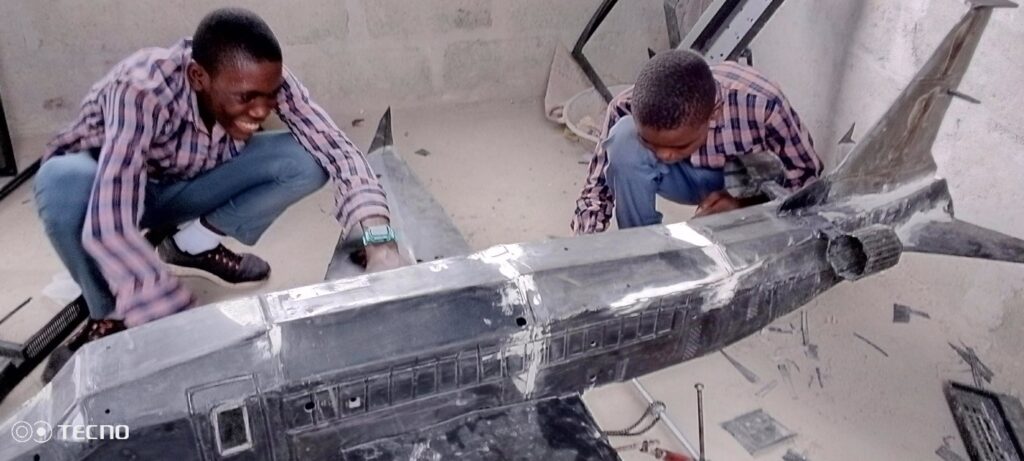
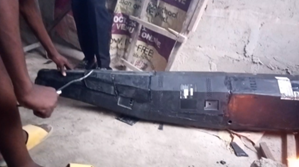
In response to this, a group of visionary students from Best Intellectual School, Ebonyi State, Nigeria, launched the initiative, Recycling for Sustainability. Their solution idea addresses pressing issues of improper waste disposal, inadequate electricity supply in their community, and carbon emission. By collecting plastic waste from dump sites in their community, they reduce fossil fuel and green gas emissions in their community. Using the waste collected (including discarded Television casings), the team skillfully cut out pieces with hot iron, soldered them together in bits to build a 5fts long plane, a groundbreaking innovation that has the potential to revolutionize the aviation industry, which accounts for 2.5% of global carbon emissions.

Before being selected for the 2023/2024 EcoHeroes Initiative Cohort, the team displayed their creativity by building a green city from plastic waste, a prototype of their vision for a sustainable future in their community. By upcycling waste materials, they reduced waste sent to landfills, aligning with the United Nations’ Sustainable Development Goal 12. They have also been involved with creating functional materials such as fans, torchlights and toy cars that are solar-powered.
This remarkable achievement was made possible through the collaborative efforts of five students (three male and two female) and one female coordinating teacher. Their innovation demonstrates the potential for grassroots innovation to address environmental challenges. The Recycling for Sustainability team’s solar-powered aircraft project revolutionizes the aviation industry by reducing carbon emissions, harnessing renewable energy, and lowering operating costs. This innovation promotes sustainable development, inspires future generations, and engages communities in eco-friendly practices. With the potential for scalability, their project is a groundbreaking innovation that can transform the industry, creating new job opportunities and stimulating local economies.