
For so long, wealthy nations have pledged billions of dollars to help countries in the Global South deal with climate change. These commitments are meant to support climate adaptation, which would simply help in taking actions to reduce climate change vulnerability, reduce emissions, and help communities most affected by the environmental crisis. But, year after year, much of this funding by wealthy nations has been delayed, diluted, and conditioned, much of the funding they pledged.
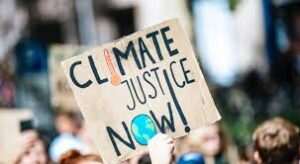
Africa, for example, contributes only about 3-4% to global emissions but suffers some of the worst effects, and continues to wait for promised support that sometimes feels more like charity than a responsibility.
In 2025, the United Nations’ World Day of Social Justice highlighted the need for a “just transition” to environmentally sustainable economies that also protect the most vulnerable. A just transition means moving toward greener industries while making sure people, especially those historically excluded, can participate, earn livelihoods, and have their voices heard in policies that affect their lives. While governments and international bodies recognize the importance of social equity alongside environmental action, the involvement of marginalized communities in decision-making remains limited.
Take the flaw of the COP30, for instance, supposedly failing to involve the indigenous people who really matter during decision-making, highlighting the contradictions between making promises and fulfilling them.
It is understood that funding alone will not bring justice; therefore, communities must be empowered to take part in planning and implementation, and full inclusion in decision-making. If this is done right, environmental policies can also create jobs, protect local livelihoods, and ensure people are not left behind as economies change.
Wealthier nations have contributed over 90% of the greenhouse gases causing harm, but their financial contributions to mitigation are minimal. The funds should be an obligation because climate finance is not charity but restitution. Therefore, mandatory enforcement should be placed to make sure commitments are met.
Climate justice cannot continue to remain a fine phrase repeated at global meetings. It must be felt in real lives, because justice will be measured not by speeches, but by whether a farmer can still grow food, whether a family can sleep without fear of the next flood, and whether young people can still find decent green jobs to survive.
Written by Glory Akenu, Communication Associate.

