
The importance of infrastructural development cannot be denied; in fact, it is necessary. Lagos is growing at a fast pace, and the government has a responsibility to plan for safety, order, and the future, but development is supposed to improve lives, not destroy them. In Makoko, that was the reality they faced.
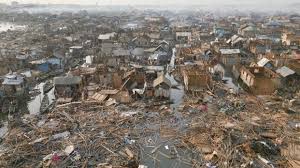
The recent demolition of parts of the Makoko waterfront, one of the city’s oldest informal settlements, has ripped families from their homes with little warning and left thousands exposed, vulnerable, grieving, and uncertain.
What began late last year as a state led operation targeting structures that were allegedly too close to high tension power lines has now expanded beyond only safety concerns, demolishing over 3000 homes, including schools and clinics, and further displacing more than 10000 people without clear, adequate resettlement plans or compensation, even as children, elders and entire families lost not just property but their sense of security and stability and as also their everyday livelihoods.
The demolition shows a stark failure to balance urban development with care for the environment and human well-being, which are the basic purposes of sustainable development. The majority of Makoko residents depend on the Lagos Lagoon for fishing, trade (shipping goods), and transport, but today, they have lost both their means of survival and the roof over their heads without an alternative or even a solid promise of one. Some of the residents said they were given minimal notice and zero alternative housing before bulldozers arrived, despite the law protecting them against forced eviction, and a previous court order aimed at safeguarding the residents.
The court orders meant to protect the people of Makoko were ignored, orders that clearly limit forced evictions without proper notice, compensation, and resettlement. So, will these many people, thousands of people, survive? How will they not be tempted to find a means to survive at any means, and in the process, be geared to a life of crime or illegal jobs? Conditions of that sort need to be considered by the government when making such major decisions.
For weeks, there was no clear plan to relocate or protect residents, but after steady pressure from community protests, the Lagos State House of Assembly ordered a pause to the demolitions and promised compensation to the affected victims; but a promise is not the immediate solution to their predicament. They need housing; they need a means to survive.
For the affected people in Makoko, the demolition has left children sleeping in canoes, mothers and fathers struggling to find shelter, and whole lives being disrupted overnight. Their call is for fairness, without taking away the rights and dignity of the people who have always lived there.
Written by Glory Akenu, Communications Associate.

